Generating a PEM file from a Root Certificate Authority (Root CA) in Microsoft ADCS

Reading Time: 2 minutesGenerating a PEM file from a Root Certificate Authority (Root CA) in Microsoft ADCS involves exporting the root certificate and converting it into the PEM format, which is commonly used in Linux environments, web servers, and various security applications. Note Read More …
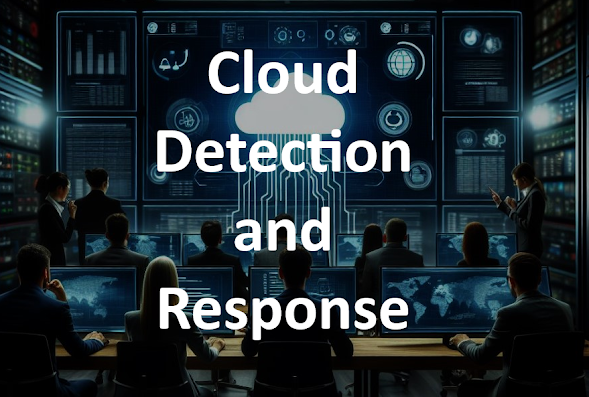
Runtime Detection Benchmarks — “555 (DIR) Cloud Detection and Response” Framework Emerging: Detect in 5 Seconds, Investigate in 5 minutes, Respond in 5 minutes

Reading Time: 4 minutesStatus: Final Blueprint (Summary) Author: Shahab Al Yamin Chawdhury Organization: Principal Architect & Consultant Group Research Date: September 14, 2025 Location: Dhaka, Bangladesh Version: 1.0 1. The Strategic Imperative: The 10-Minute Cloud Breach The fundamental nature of cybersecurity has shifted. Read More …

Runtime Detection Benchmarks — Exposure Management is Converging — CSPM, KSPM, DSPM, and CTEM Frameworks are Blending into Unified Risk Dashboards

Reading Time: 4 minutesStatus: Final Blueprint Author: Shahab Al Yamin Chawdhury Organization: Principal Architect & Consultant Group Research Date: September 12, 2025 Location: Dhaka, Bangladesh Version: 1.0 The paradigm for securing enterprise cloud environments is undergoing a fundamental transformation. Traditional, siloed security tools Read More …

Exposure Management Is Converging — CSPM, KSPM, DSPM, and CTEM Frameworks Are Blending into Unified Risk Dashboards

Reading Time: 3 minutesFor years, security teams have relied on separate tools to manage cloud misconfigurations (CSPM), Kubernetes security (KSPM), and sensitive data exposure (DSPM). Meanwhile, Continuous Threat Exposure Management (CTEM) emerged as a programmatic approach to continuously identify, assess, and remediate exposures across the attack surface.

AI Is Now Both Attacker and Defender — SOCs Must Integrate AI-Driven Detection, But Also Secure AI Assets Themselves

Reading Time: 4 minutesArtificial Intelligence has crossed a threshold in cybersecurity. It’s no longer just a defensive accelerator — it’s now a fully weaponized capability in the hands of adversaries.